epharmacy
epharmacy
Online Pharmacy Marketplace
Online Pharmacy
|
|
mobile app, desktop web
mobile app, desktop web
about
about
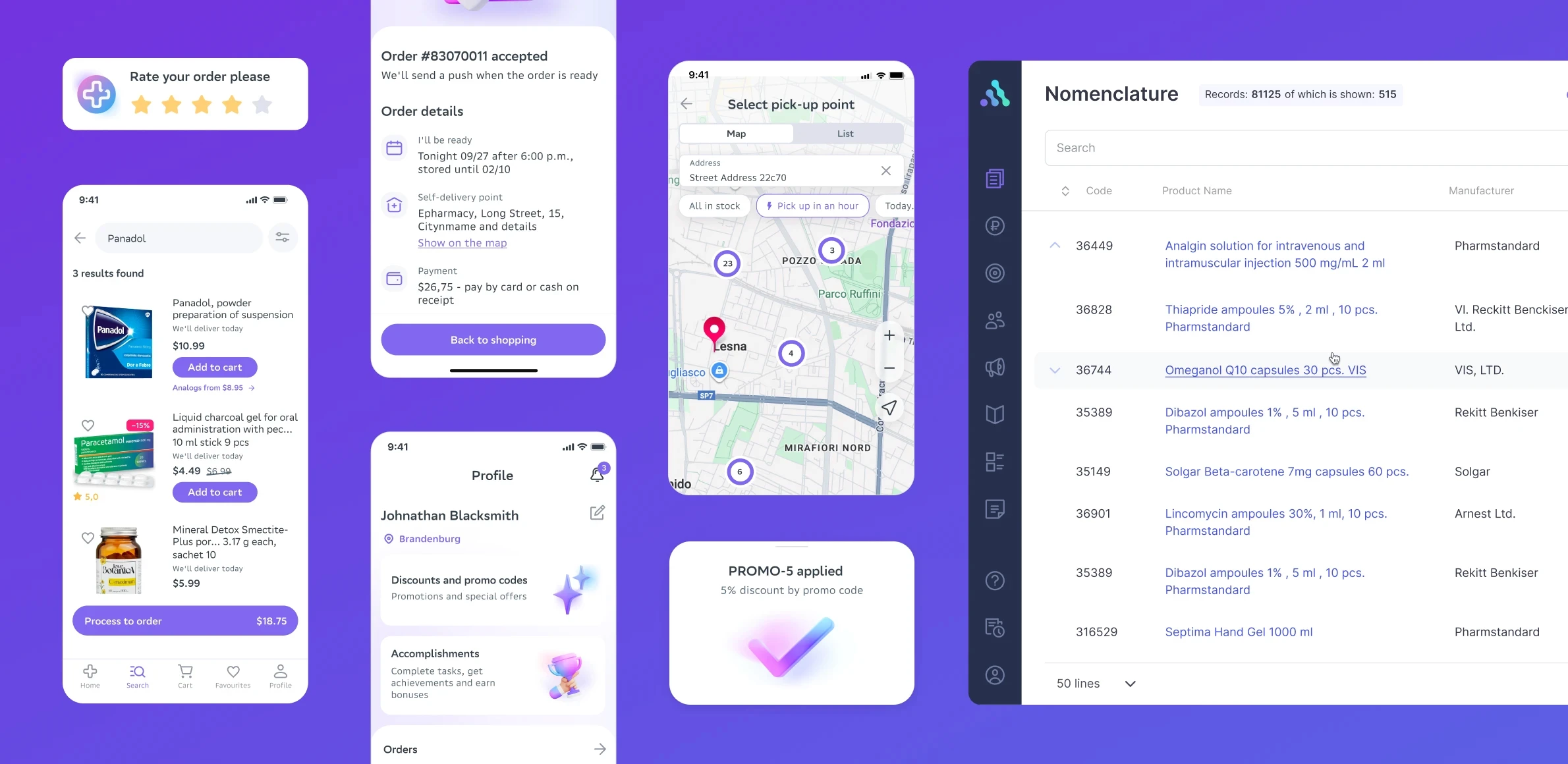
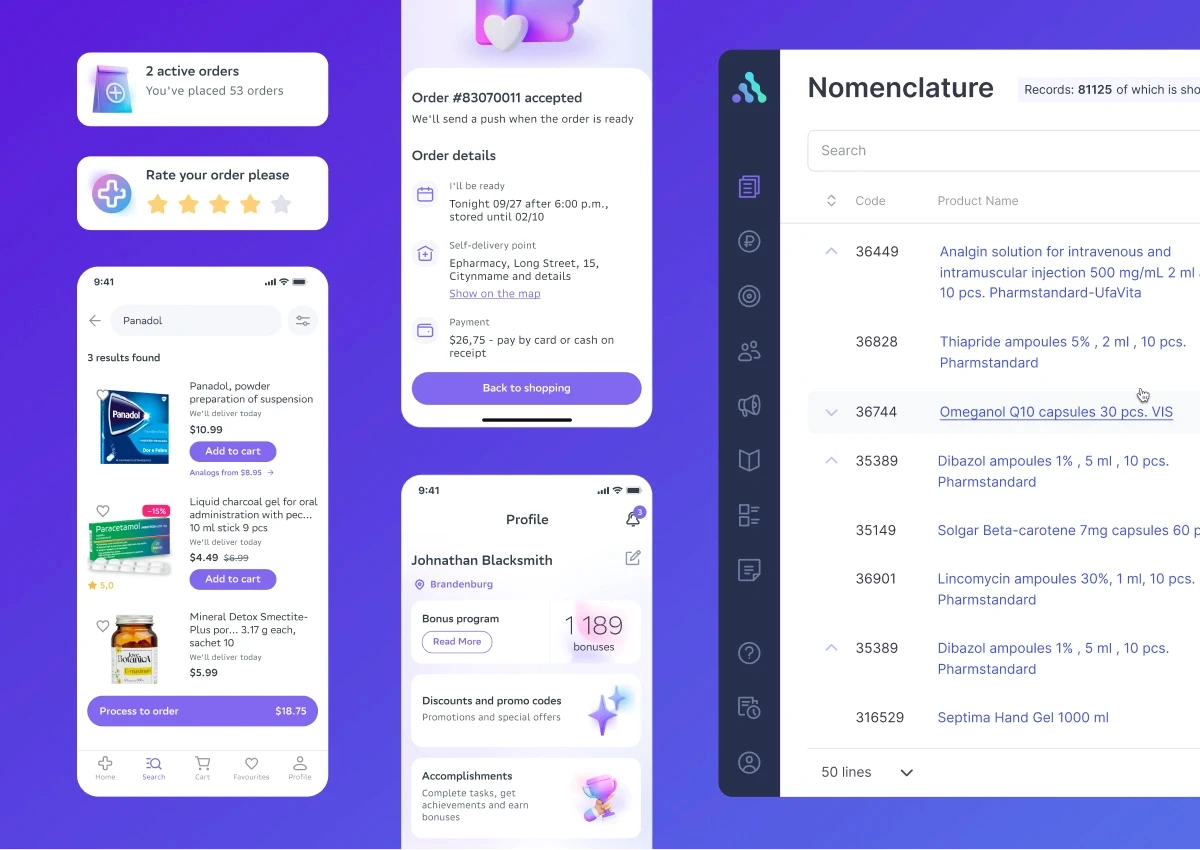
Epharmacy is an online pharmacy offering 10,000+ medications, supplements, and healthcare products. The platform combines e-commerce, remote healthcare consultations, and express delivery.
Epharmacy is an online pharmacy offering 10,000+ medications, supplements, and healthcare products. The platform combines e-commerce, remote healthcare consultations, and express delivery.
This project had a solid legacy in design, team and development. Design, processes, structure and the design system were challenged to be improved and increase the efficiency, smoother user uxperince and increase product metrics.
This project had a solid legacy in design, team and development. Design, processes, structure and the design system were challenged to be improved and increase the efficiency, smoother user uxperince and increase product metrics.
This project had a solid legacy in design, team, and development. We challenged the design, processes, structure, and design system to drive improvements. The goal was to boost efficiency, create a smoother user experience, and elevate key product metrics.
Scope and scale
Scope and scale
Scope and scale
domain
E-commerce | Digital Pharma
E-commerce | Digital Pharma
project numbers
Numbers
▪ 20M+ MAU
▪ 100K+ SKUs
▪ 10K+ pick points
▪ 5K+ employees in total
▪ 13 designers team
▪ 20M+ MAU
▪ 100K+ SKUs
▪ 10K+ pick points
▪ 5K+ employees in total
▪ 13 designers team
platform
▪ iOS
▪ Android
▪ Web Mobile
▪ Web Desktop
▪ iOS
▪ Android
▪ Web Mobile
▪ Web Desktop
impact
impact
In addition to management initiatives (highlighted on the leadership page), I drove tangible product outcomes through hands-on contributions to mobile app design and web services.
In addition to management initiatives (highlighted on the leadership page), I drove tangible product outcomes through hands-on contributions to mobile app design and web services.
■ Restructured a 10-designer UX team by redefining roles and implementing agile workflows, cutting operational overhead by 25%.
■ Drove the creation of a unified, multi-platform design system for web, mobile, and internal tools, accelerating feature delivery for 5+ product teams.
■ Authored and implemented a design career ladder and competency matrix, which directly contributed to a reduction in designer attrition and improved team morale.
■ Aligned the design department's roadmap with company-level business goals, securing executive buy-in for two strategic design-led initiatives.
■ Restructured a 10-designer UX team by redefining roles and implementing agile workflows, cutting operational overhead by 25%.
■ Drove the creation of a unified, multi-platform design system for web, mobile, and internal tools, accelerating feature delivery for 5+ product teams.
■ Authored and implemented a design career ladder and competency matrix, which directly contributed to a reduction in designer attrition and improved team morale.
■ Aligned the design department's roadmap with company-level business goals, securing executive buy-in for two strategic design-led initiatives.
CHALLENGE
CHALLENGE
For a product of this scale, data and metrics are crucial. Conversion rates, success indicators, churn, revenue, and more. Key initial problems are quantified, addressed, and resolved through numbers.
For a product of this scale, data and metrics are crucial. Conversion rates, success indicators, churn, revenue, and more. Key initial problems are quantified, addressed, and resolved through numbers.
For a product of this scale, data and metrics are crucial. Conversion rates, success indicators, churn, revenue, and more. Key initial problems are quantified, addressed, and resolved through numbers.
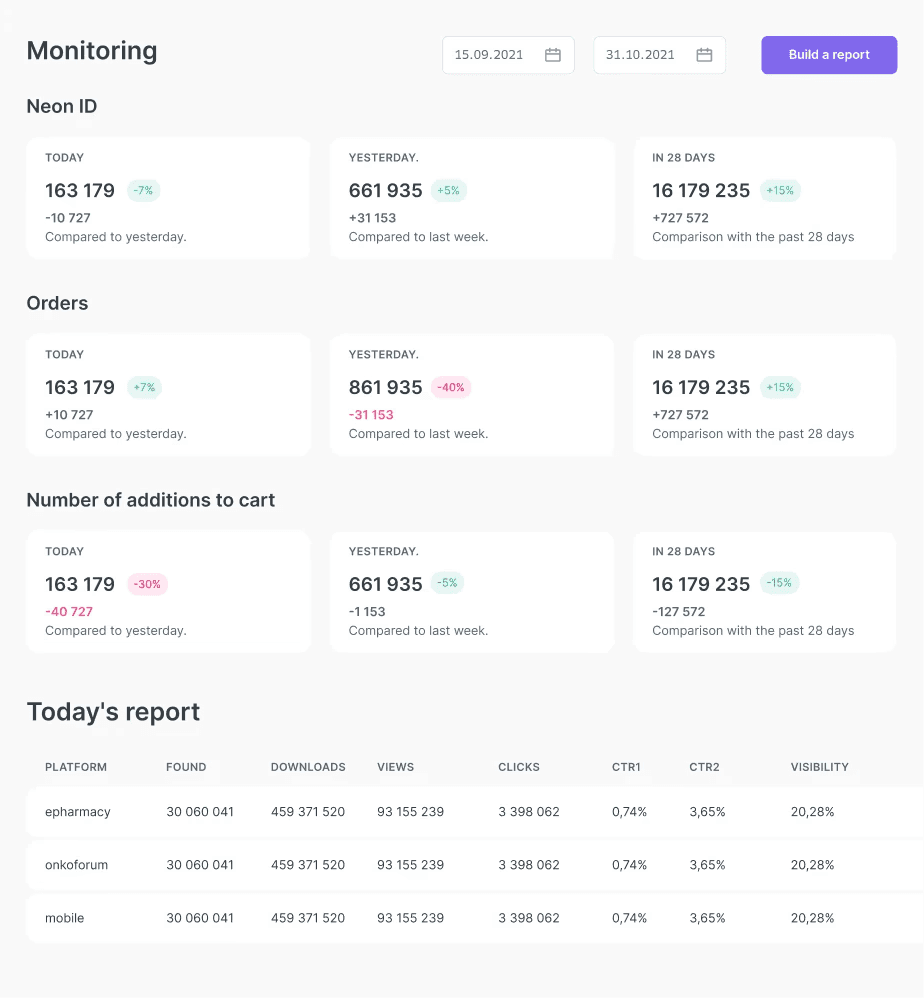
All metrics were constantly monitored, and the success of the features and changes was determined by quantitative data. To this end, internal dashboards were designed and customized with project-specific layouts and controls to streamline the analytics UX.
All metrics were constantly monitored, and the success of the features and changes was determined by quantitative data. To this end, internal dashboards were designed and customized with project-specific layouts and controls to streamline the analytics UX.
Client app
Client app
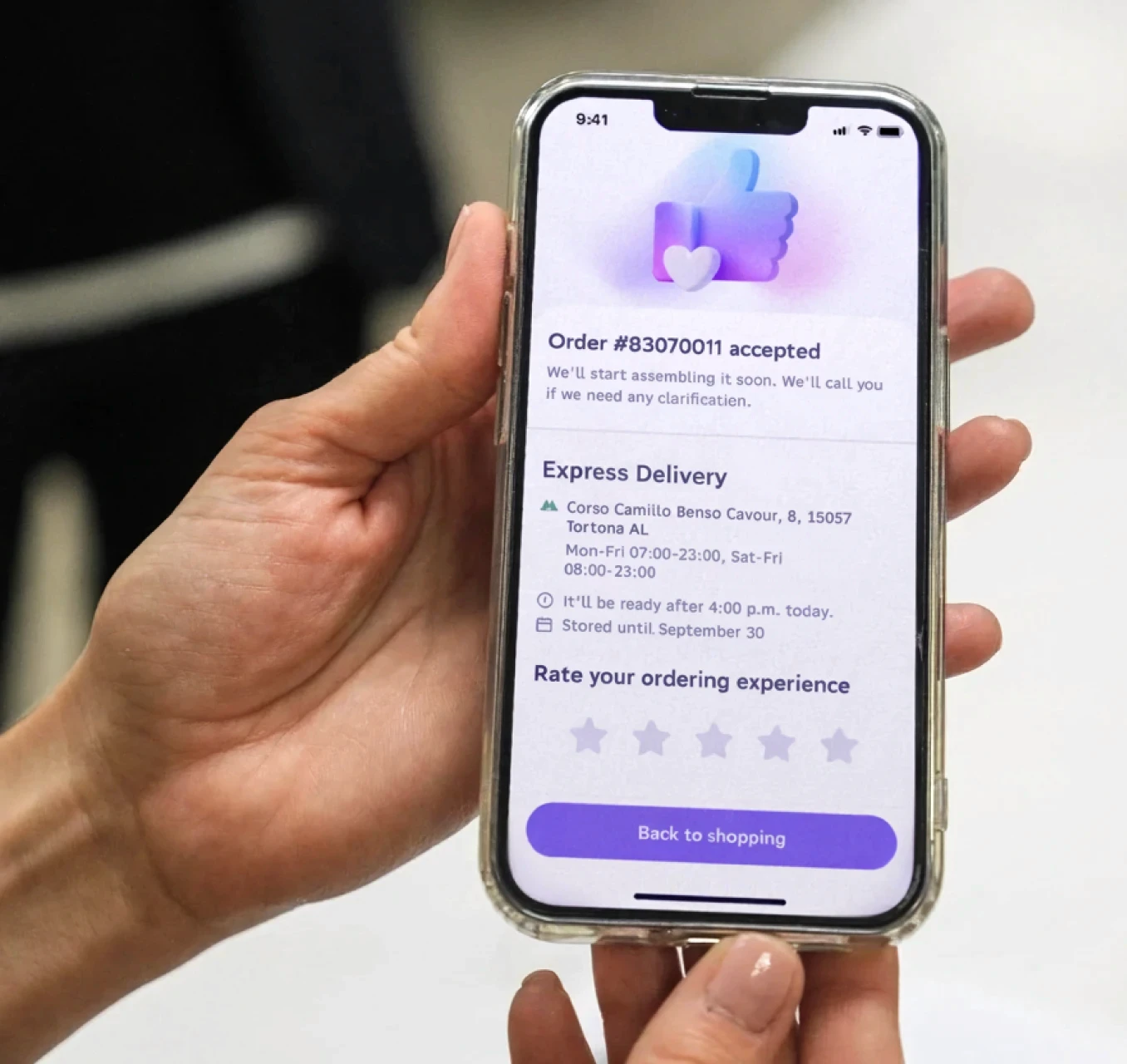
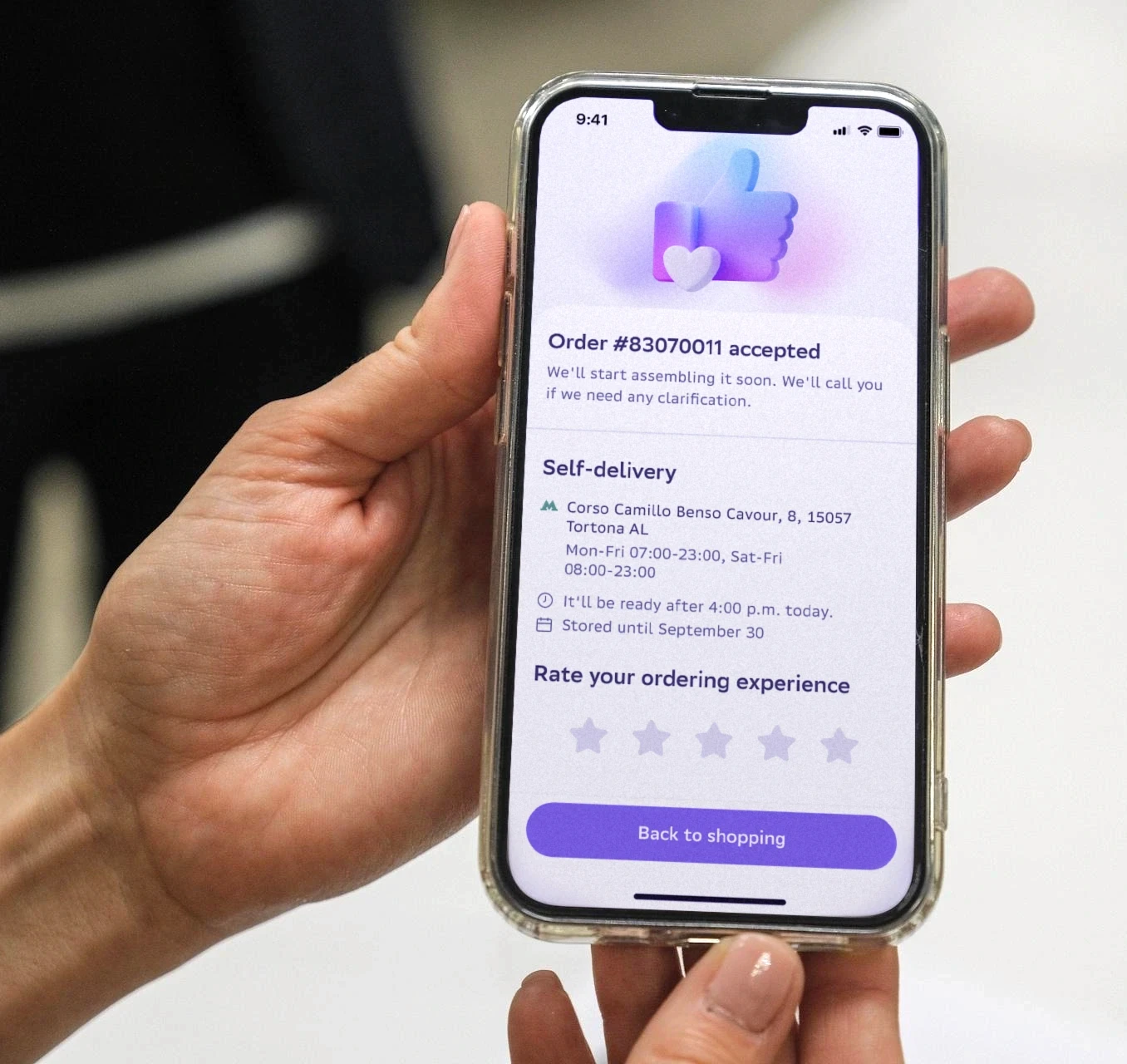
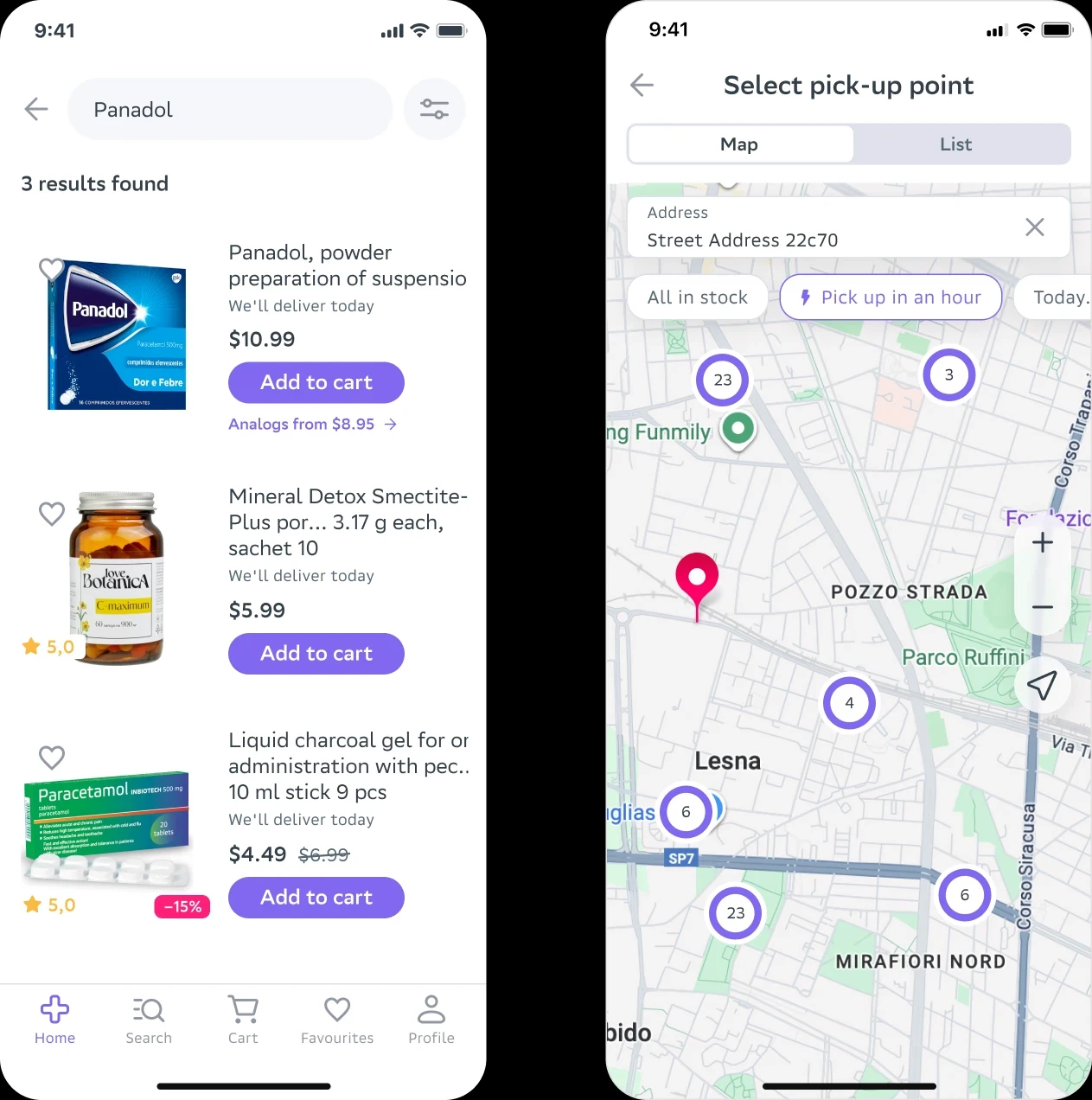
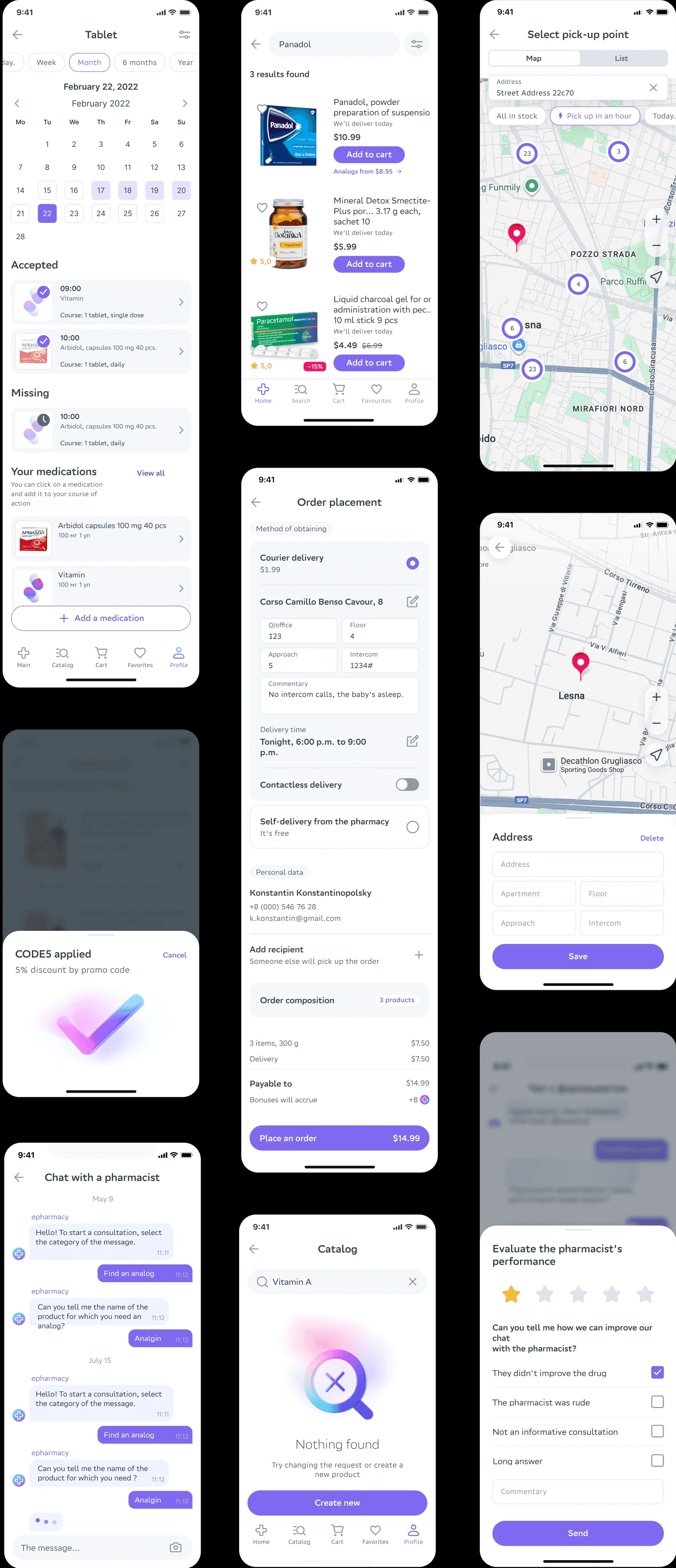
The foundation and core of the product a classic e-commerce solution in the pharmacy domain. The user flow is divided into distinct sections such as first touch, search, order process, and post-order, etc., each with dedicated metrics.
The foundation and core of the product a classic e-commerce solution in the pharmacy domain. The user flow is divided into distinct sections such as first touch, search, order process, and post-order, etc., each with dedicated metrics.
The data-driven approach ensured every decision – from feature prioritization to UX refinements. It was backed by quantitative insights, enabling rapid iteration and measurable impact on key performance indicators like conversion rates and user retention.
The data-driven approach ensured every decision – from feature prioritization to UX refinements. It was backed by quantitative insights, enabling rapid iteration and measurable impact on key performance indicators like conversion rates and user retention.
Sections
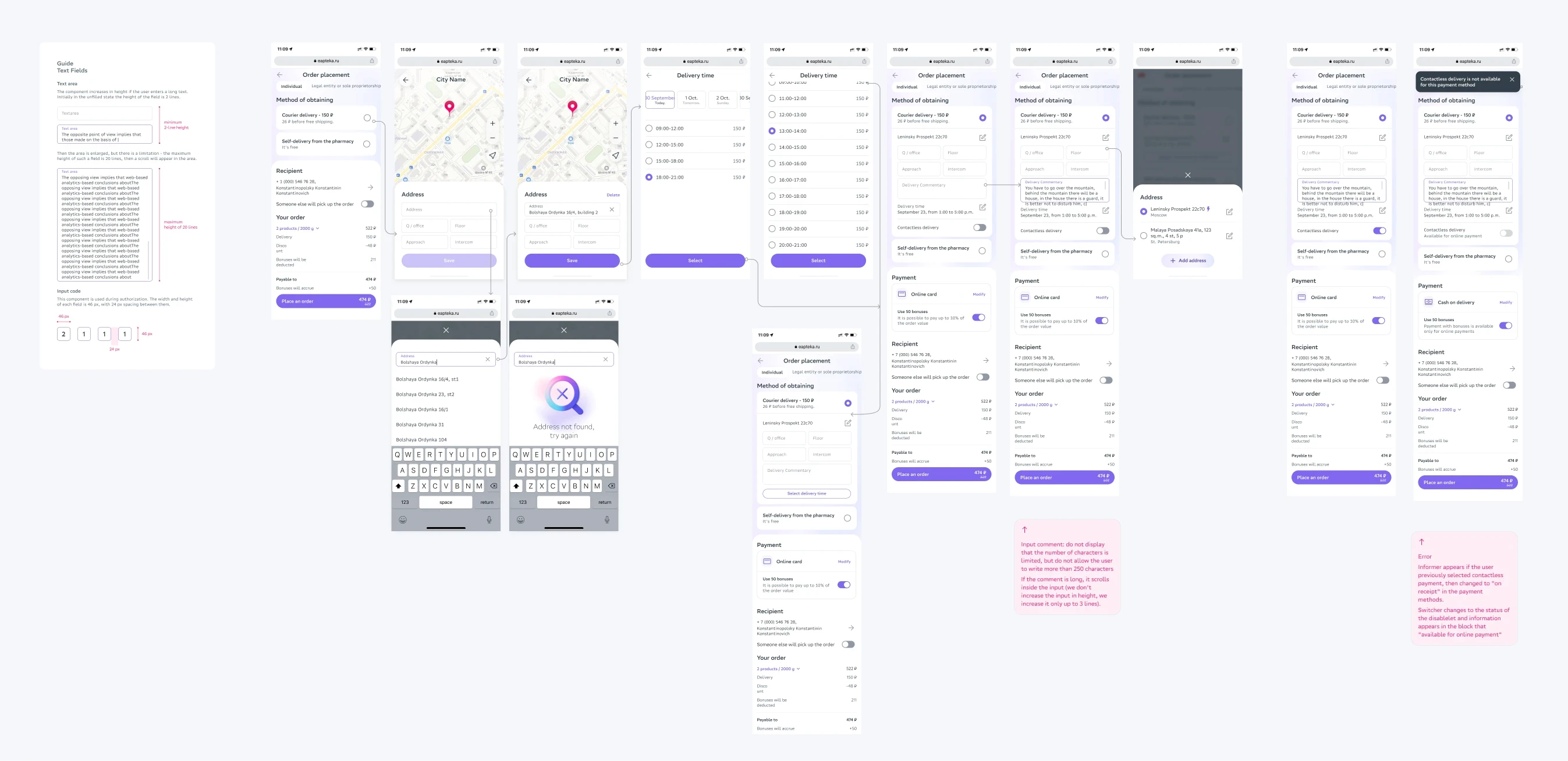
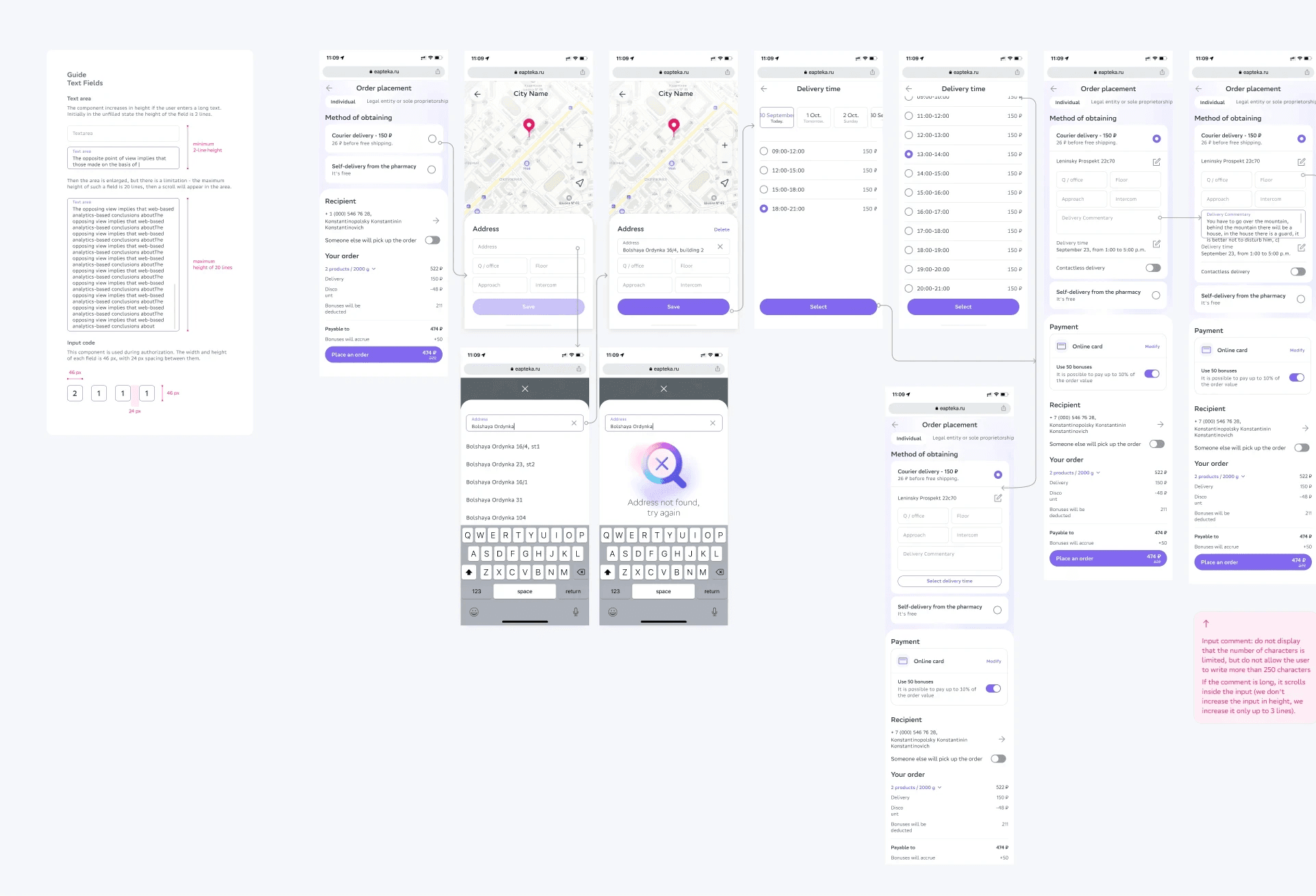
Each user step and action within user flow sections called scenarios was carefully reviewed and optimized for simplification. Goals and metrics varied across sections but were primarily expressed in quantitative terms.
The same approach applied to copywriting: considering the audience’s age, all text and messages were made super-clear, informative, and concise.
As a result, up to 15% more users successfully complete the entire flow.
Each user step and action within user flow sections called scenarios was carefully reviewed and optimized for simplification. Goals and metrics varied across sections but were primarily expressed in quantitative terms.
The same approach applied to copywriting: considering the audience’s age, all text and messages were made super-clear, informative, and concise.
As a result, up to 15% more users successfully complete the entire flow.
a part of ordering flow
a part of ordering flow
Features
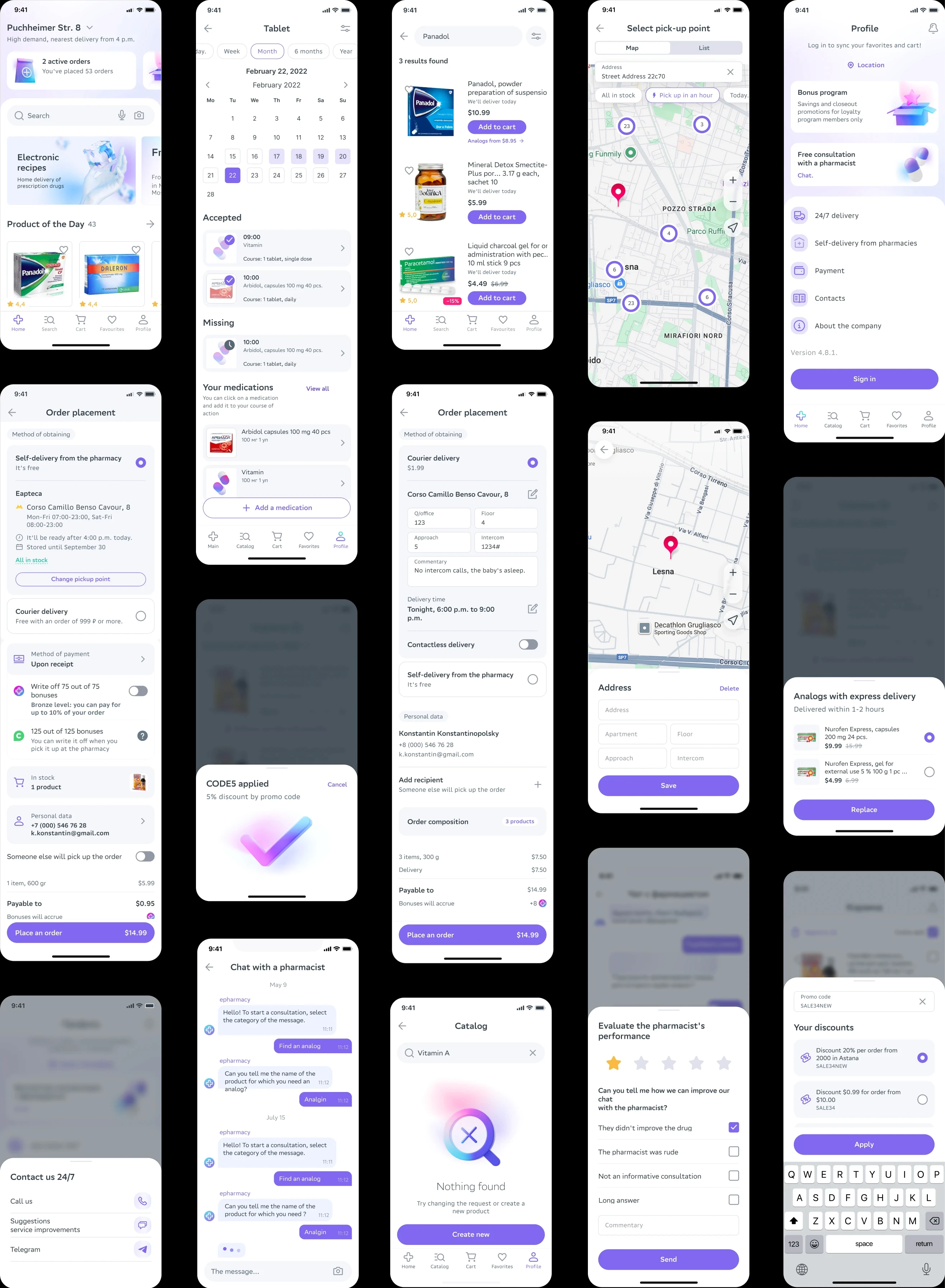
With core search and ordering functionality, the app includes secondary features like chat with a pharmacist, medicine schedule, loyalty program, and more.
All these screens were designed and refined to maintain consistent UX and UI style. This ensures the app feels like a holistic product rather than disconnected features.
With core search and ordering functionality, the app includes secondary features like chat with a pharmacist, medicine schedule, loyalty program, and more.
All these screens were designed and refined to maintain consistent UX and UI style. This ensures the app feels like a holistic product rather than disconnected features.
back office
back office
A solid part of design work was done on the internal apps like analytics monitoring dashboard, logistic portal, SKU manager, and app for couriers.
A solid part of design work was done on the internal apps like analytics monitoring dashboard, logistic portal, SKU manager, and app for couriers.
Unlike the Client App, success criteria for internal applications focused on usability of products and features, and metrics were often hard to obtain due to the small user base.
For internal products, results were primarily measured through qualitative research and interviews, though certain metrics could still be quantified. However, the core value of the design remains unchanged: simplicity and intuitive interface.
Unlike the Client App, success criteria for internal applications focused on usability of products and features, and metrics were often hard to obtain due to the small user base.
For internal products, results were primarily measured through qualitative research and interviews, though certain metrics could still be quantified. However, the core value of the design remains unchanged: simplicity and intuitive interface.
Disclaimer: The data in the mockup is not real and have no business value
SKU Manager
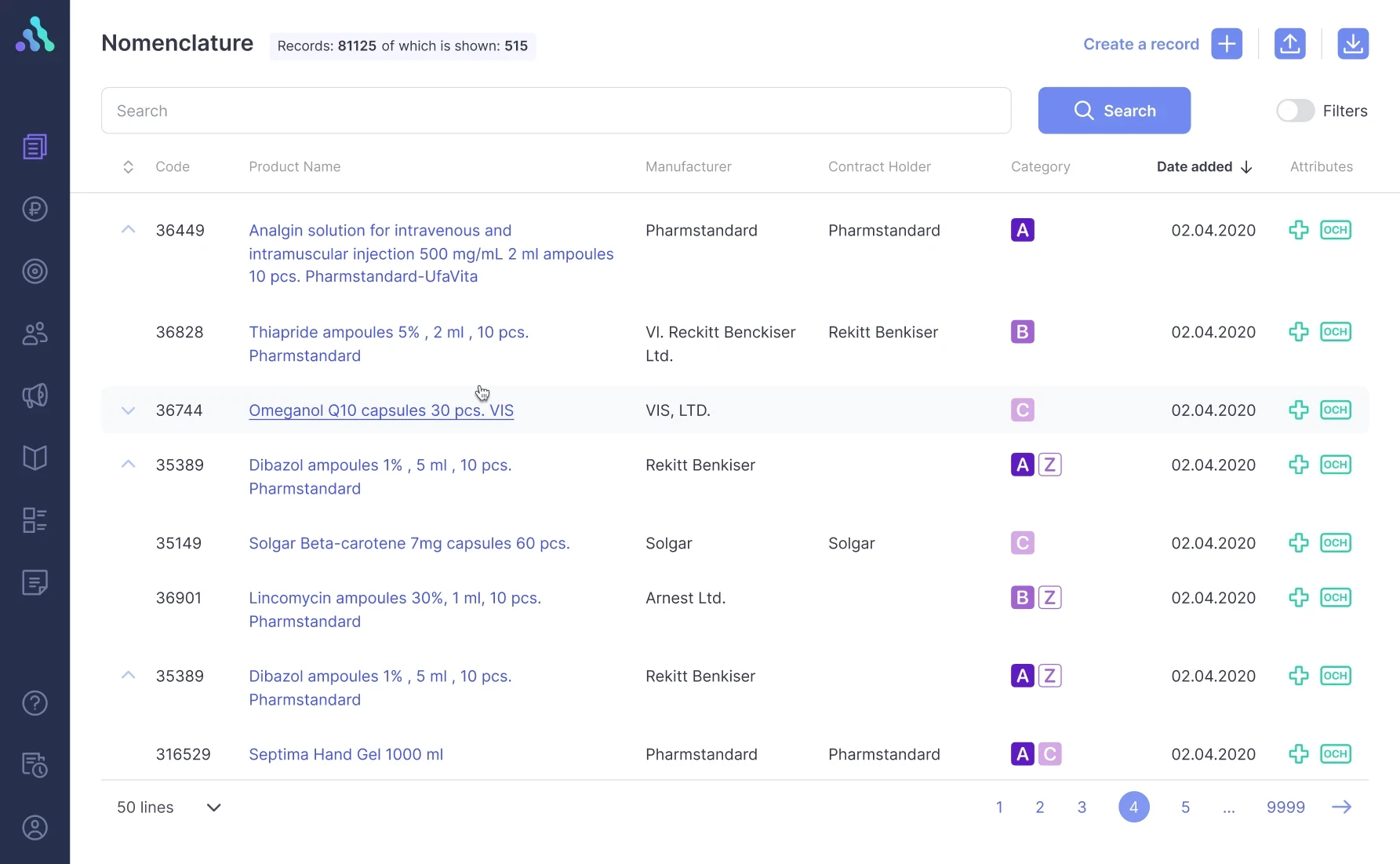
SKU Catalog is a product data management tool designed to simplify working with large, complex assortments. It brings search, filtering, bulk actions, and attribute management together, so managers can quickly find the right SKUs and keep information consistent and up to date.
Configurable tables and detailed product cards let users edit parameters, categories, prices, and relationships between items without jumping across multiple systems. Thoughtful interaction patterns reduce routine clicks, prevent errors, and help SKU managers maintain data in the catalog.
SKU Catalog is a product data management tool designed to simplify working with large, complex assortments. It brings search, filtering, bulk actions, and attribute management together, so managers can quickly find the right SKUs and keep information consistent and up to date.
Configurable tables and detailed product cards let users edit parameters, categories, prices, and relationships between items without jumping across multiple systems. Thoughtful interaction patterns reduce routine clicks, prevent errors, and help SKU managers maintain data in the catalog.
Monitor and Analytics
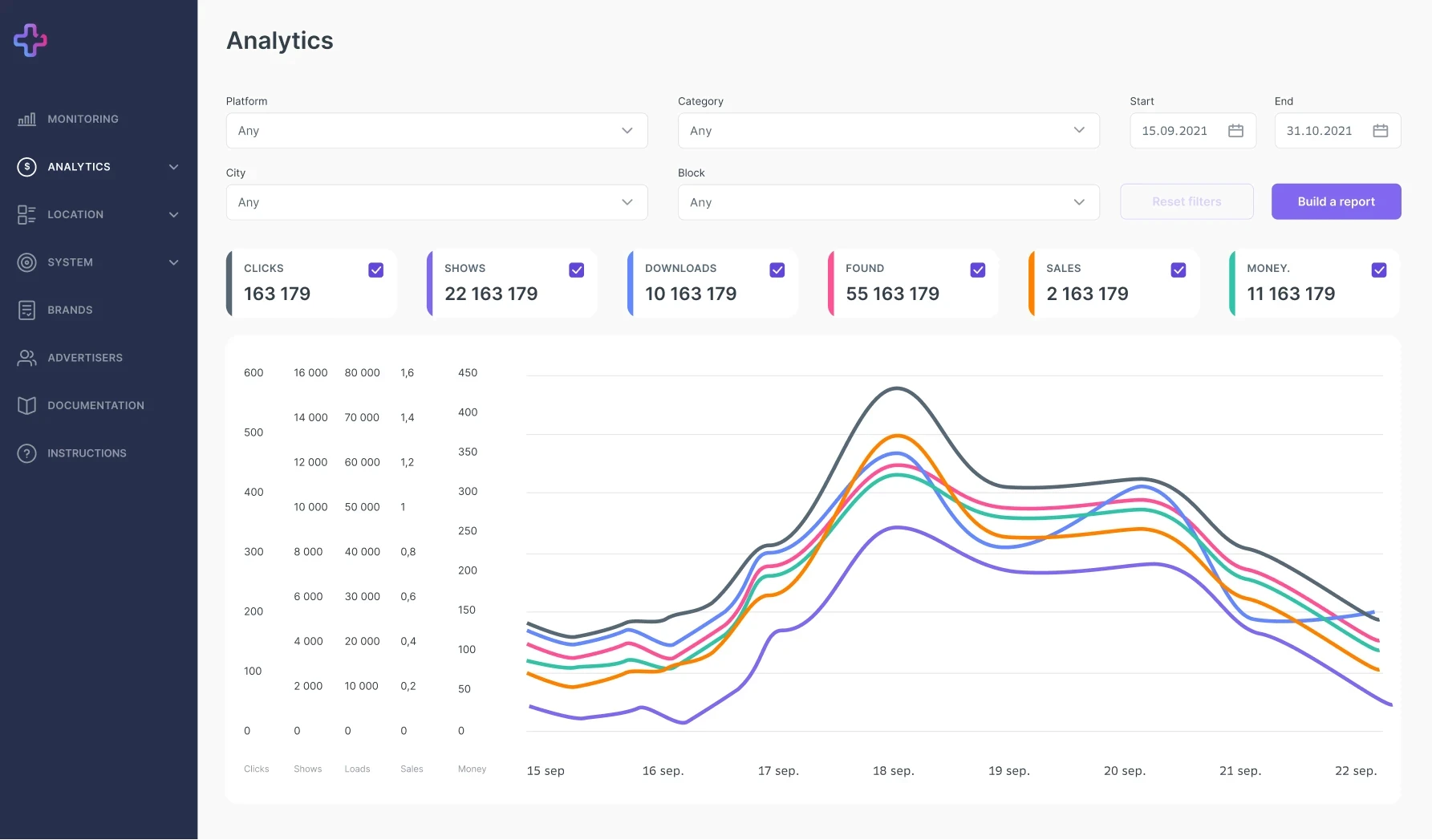
The analytics dashboard helps team track how users interact with the product through key metrics like clicks, views, downloads, add‑to‑cart actions, purchases, etc. It combines these signals in a focused interface with clear visualizations, making it easy to see what works and how behavior changes over time.
Managers can compare metrics over time, quickly spot problem areas, and drill down into specific segments or periods. The dashboard also supports tailored reports for different stakeholders, enabling faster, data‑driven decisions and timely reactions to performance changes.
The analytics dashboard helps team track how users interact with the product through key metrics like clicks, views, downloads, add‑to‑cart actions, purchases, etc. It combines these signals in a focused interface with clear visualizations, making it easy to see what works and how behavior changes over time.
Managers can compare metrics over time, quickly spot problem areas, and drill down into specific segments or periods. The dashboard also supports tailored reports for different stakeholders, enabling faster, data‑driven decisions and timely reactions to performance changes.
Disclaimer: The data in the mockup is not real and have no business value
Disclaimer: The data in the mockup is not real and have no business value
Disclaimer: The data in the mockup is not real and have no business value
Partners Portal
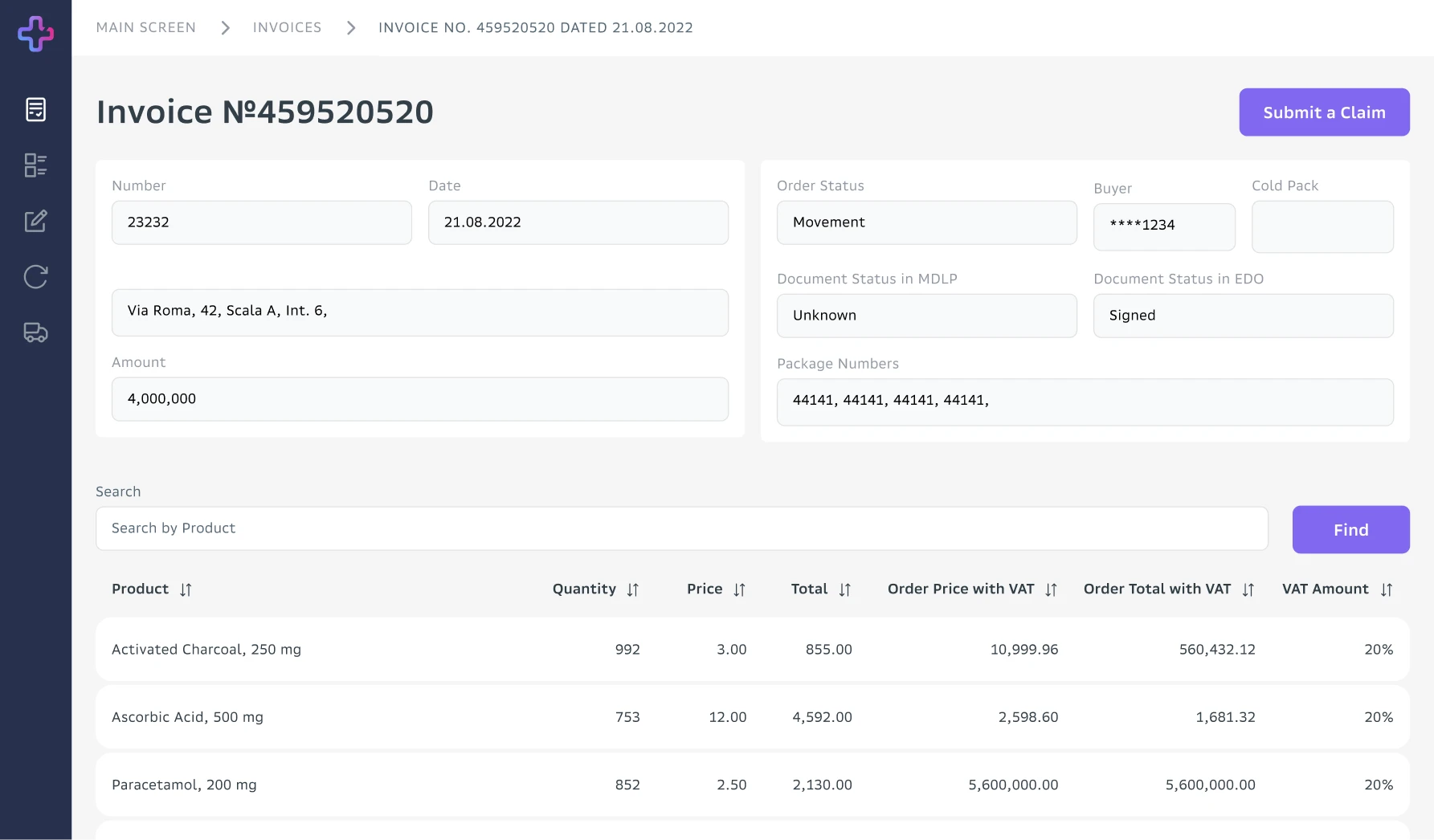
The Partner Portal is a desktop application that connects the core platform with partner pharmacies and helps them manage orders for medicines and medical products. Pharmacies receive structured order data, review it, and form supply orders directly in the system instead of relying on separate tools or manual communication.
The portal supports various order scenarios, including returns, shortages, and other non‑standard cases, with dedicated flows for each. This lets staff resolve issues in one interface, reduce errors, and keep the transparent connection for both the central service and local partners.
The Partner Portal is a desktop application that connects the core platform with partner pharmacies and helps them manage orders for medicines and medical products. Pharmacies receive structured order data, review it, and form supply orders directly in the system instead of relying on separate tools or manual communication.
The portal supports various order scenarios, including returns, shortages, and other non‑standard cases, with dedicated flows for each. This lets staff resolve issues in one interface, reduce errors, and keep the transparent connection for both the central service and local partners.
Courier Mobile App
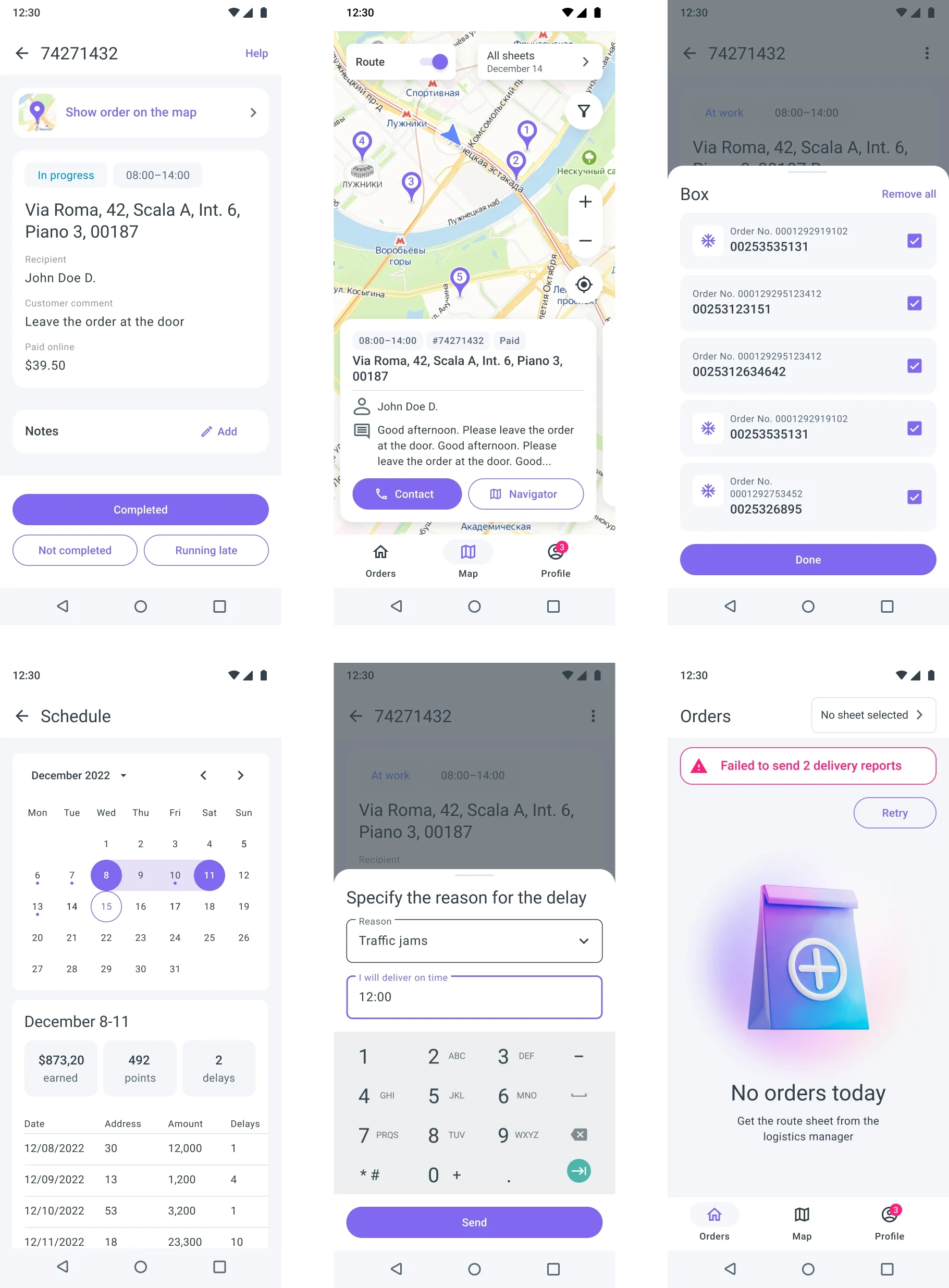
The courier app is a mobile app for managing day‑to‑day delivery work on the go. It helps couriers quickly build optimal routes, contact customers when needed, and update order statuses without breaking the flow of their shift.
Beyond deliveries, the app lets couriers plan their work schedule, review basic stats, and track their earnings in a clear, compact interface.
It was built independently from the core client app and specifically for Android, optimized for performance so it runs reliably even on low‑end devices commonly used by couriers.
The courier app is a mobile app for managing day‑to‑day delivery work on the go. It helps couriers quickly build optimal routes, contact customers when needed, and update order statuses without breaking the flow of their shift.
Beyond deliveries, the app lets couriers plan their work schedule, review basic stats, and track their earnings in a clear, compact interface.
It was built independently from the core client app and specifically for Android, optimized for performance so it runs reliably even on low‑end devices commonly used by couriers.
Design System
Design System
At the moment I joined the project, the design system was built more like a simple UI kit. We restructured and rebuilt it using an atomic, scalable approach, which allowed us to use it not only for the core product but also for internal services, ensuring visual consistency and improving delivery speed.
At the moment I joined the project, the design system was built more like a simple UI kit. We restructured and rebuilt it using an atomic, scalable approach, which allowed us to use it not only for the core product but also for internal services, ensuring visual consistency and improving delivery speed.
Due to the team’s limited experience with design systems and the lack of a dedicated group of “owners,” guidelines were documented, templates were created, and a review process was introduced for adding new components and updating existing ones. I’ve implemented an atomic component system as a foundation that can potentially scale across various B2C and internal products.
As a result, we got a flexible, maintainable, and easy‑to‑use design system that allowed each product stream to move faster while keeping component and style consistency at an acceptable level.
Due to the team’s limited experience with design systems and the lack of a dedicated group of “owners,” guidelines were documented, templates were created, and a review process was introduced for adding new components and updating existing ones. I’ve implemented an atomic component system as a foundation that can potentially scale across various B2C and internal products.
As a result, we got a flexible, maintainable, and easy‑to‑use design system that allowed each product stream to move faster while keeping component and style consistency at an acceptable level.
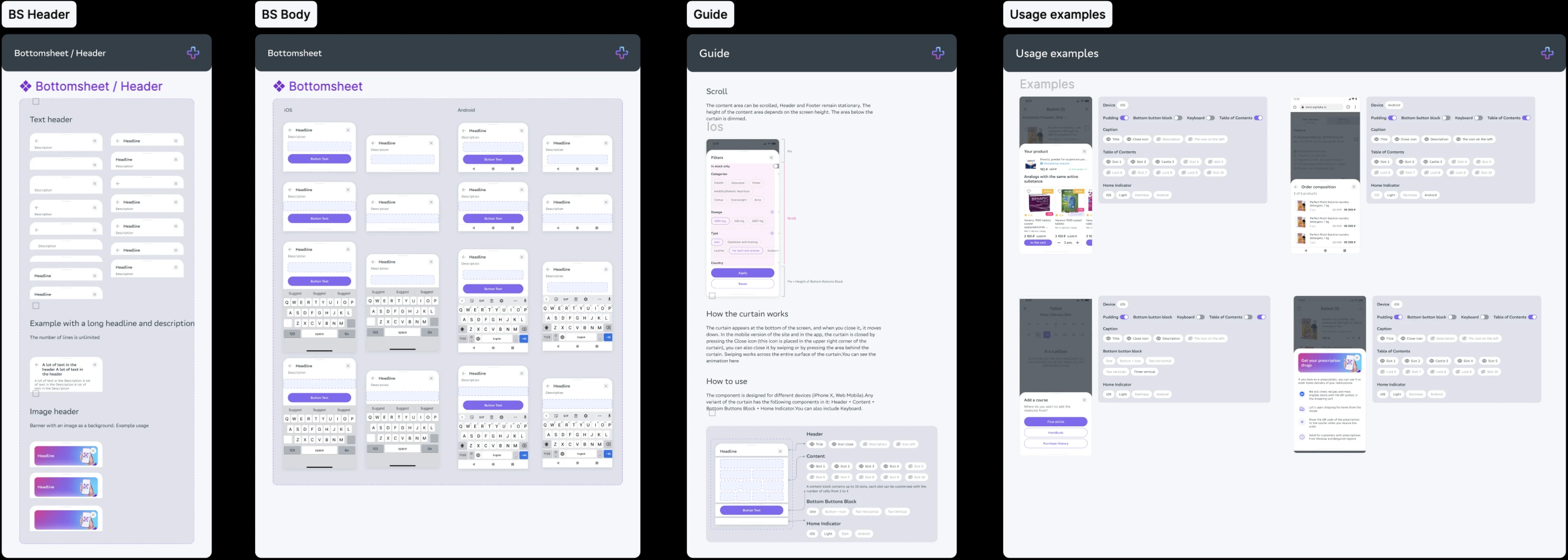
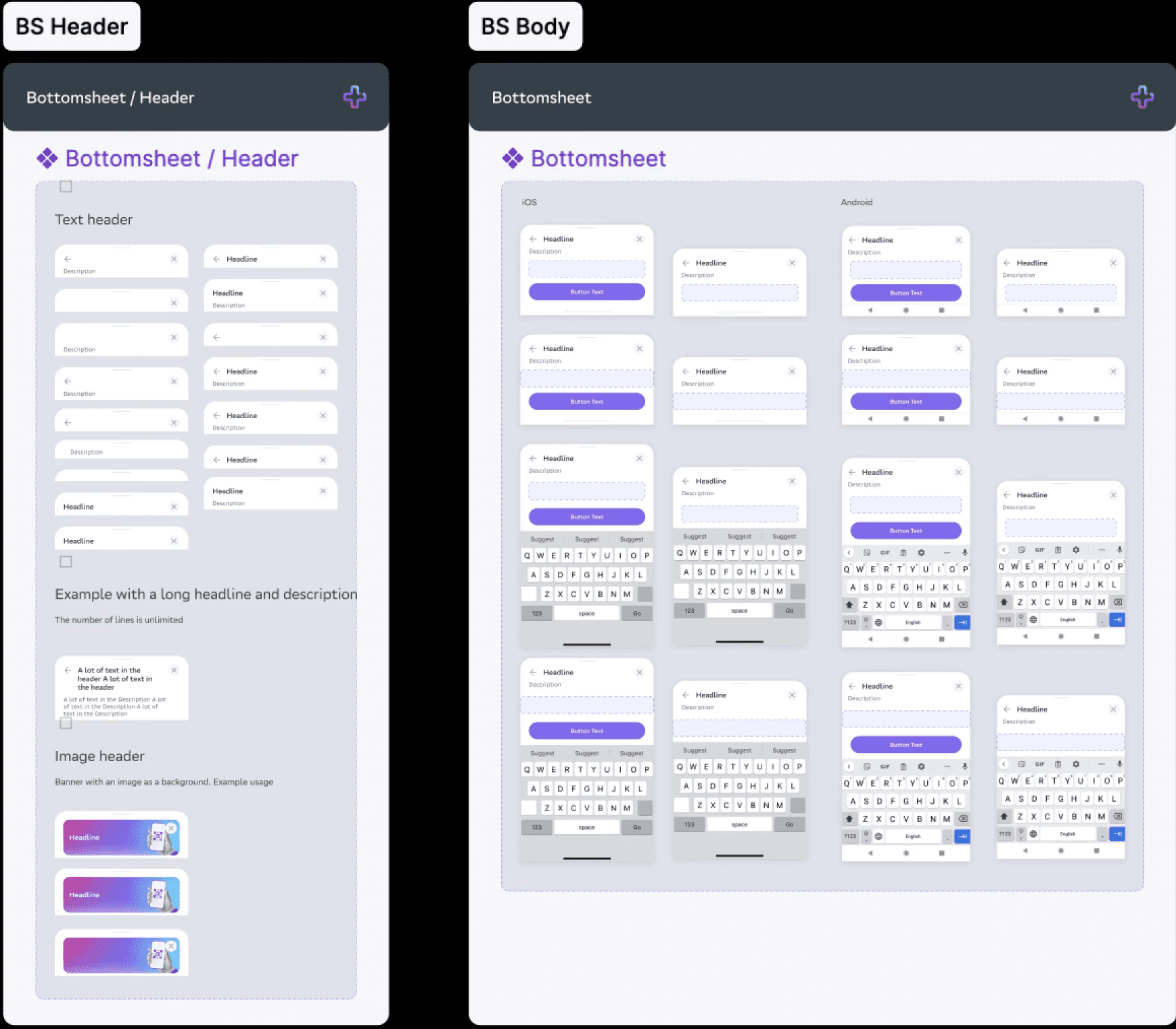
organisms example: bottom drawer
Multi-level components structure
Multi-level components structure
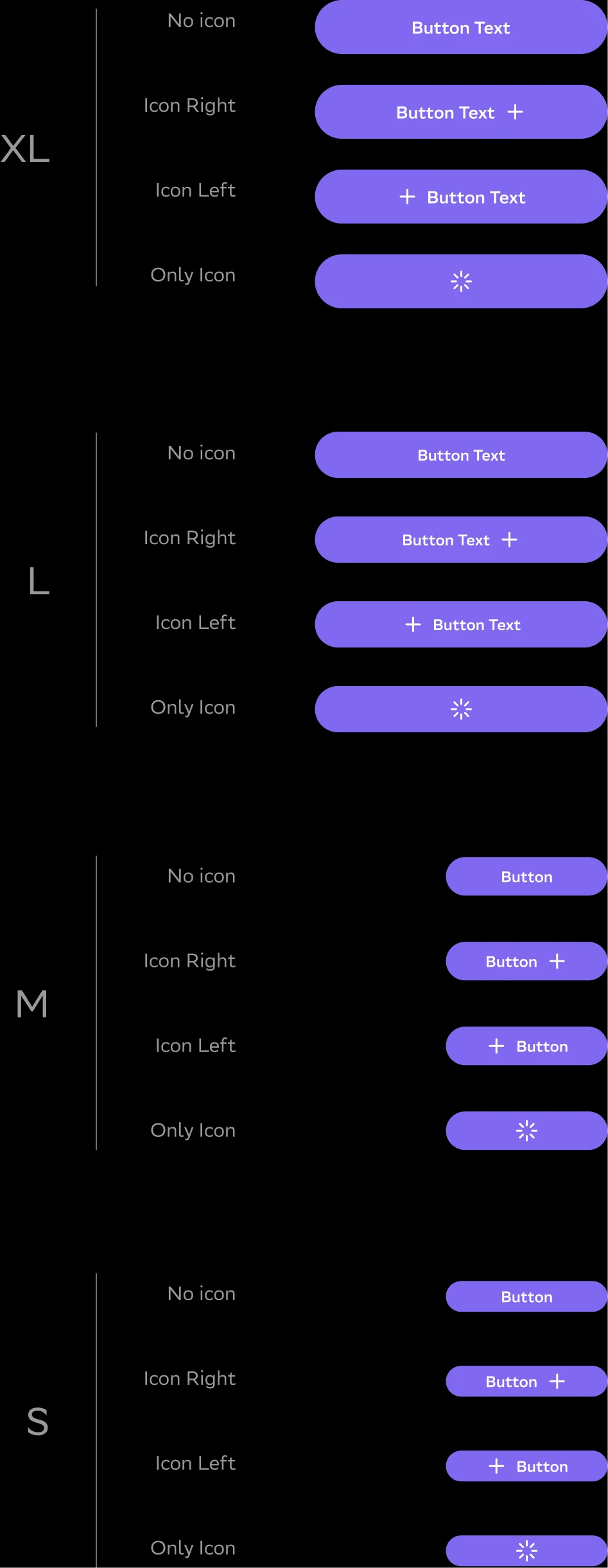
Due to the active growth stage of the design system and frequent changes to components and their parameters, I used one of the component-structure techniques: creating a nested “base master” component.
This allows changing the size and some other variables with a few clicks, while the entire variants family inherits the changes without manual updates and helps handle dynamic component adjustments at an early stage of the design system.
Due to the active growth stage of the design system and frequent changes to components and their parameters, I used one of the component-structure techniques: creating a nested “base master” component.
This allows changing the size and some other variables with a few clicks, while the entire variants family inherits the changes without manual updates and helps handle dynamic component adjustments at an early stage of the design system.
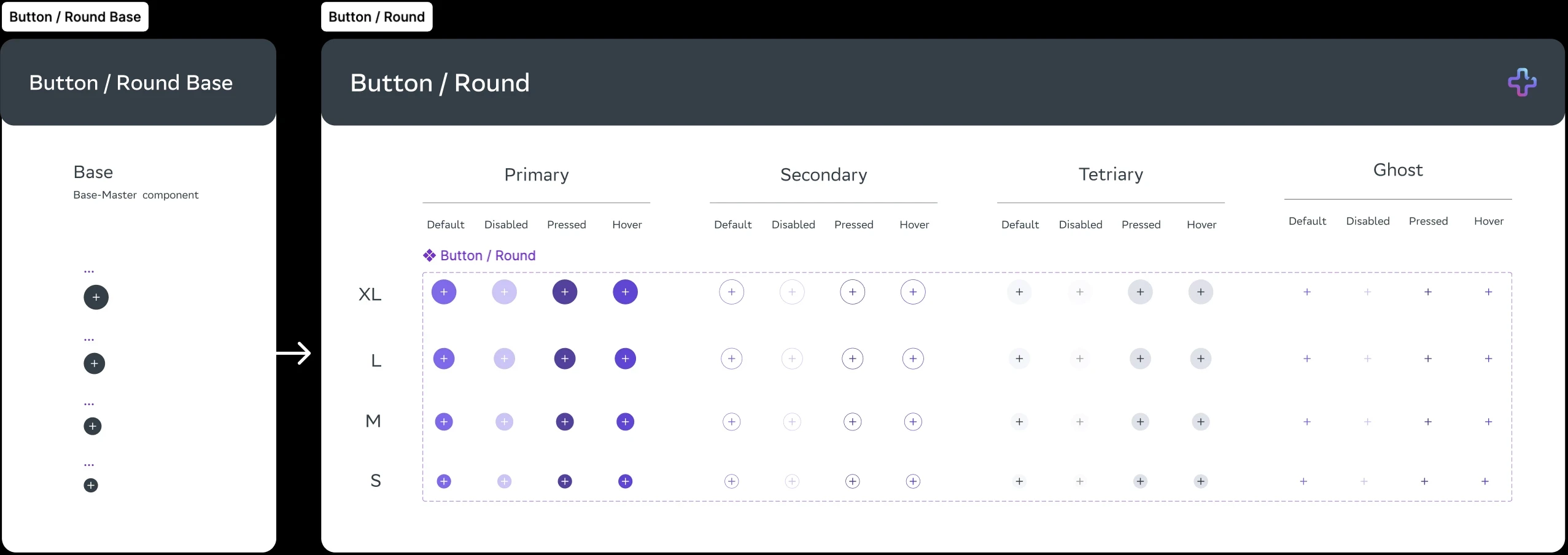
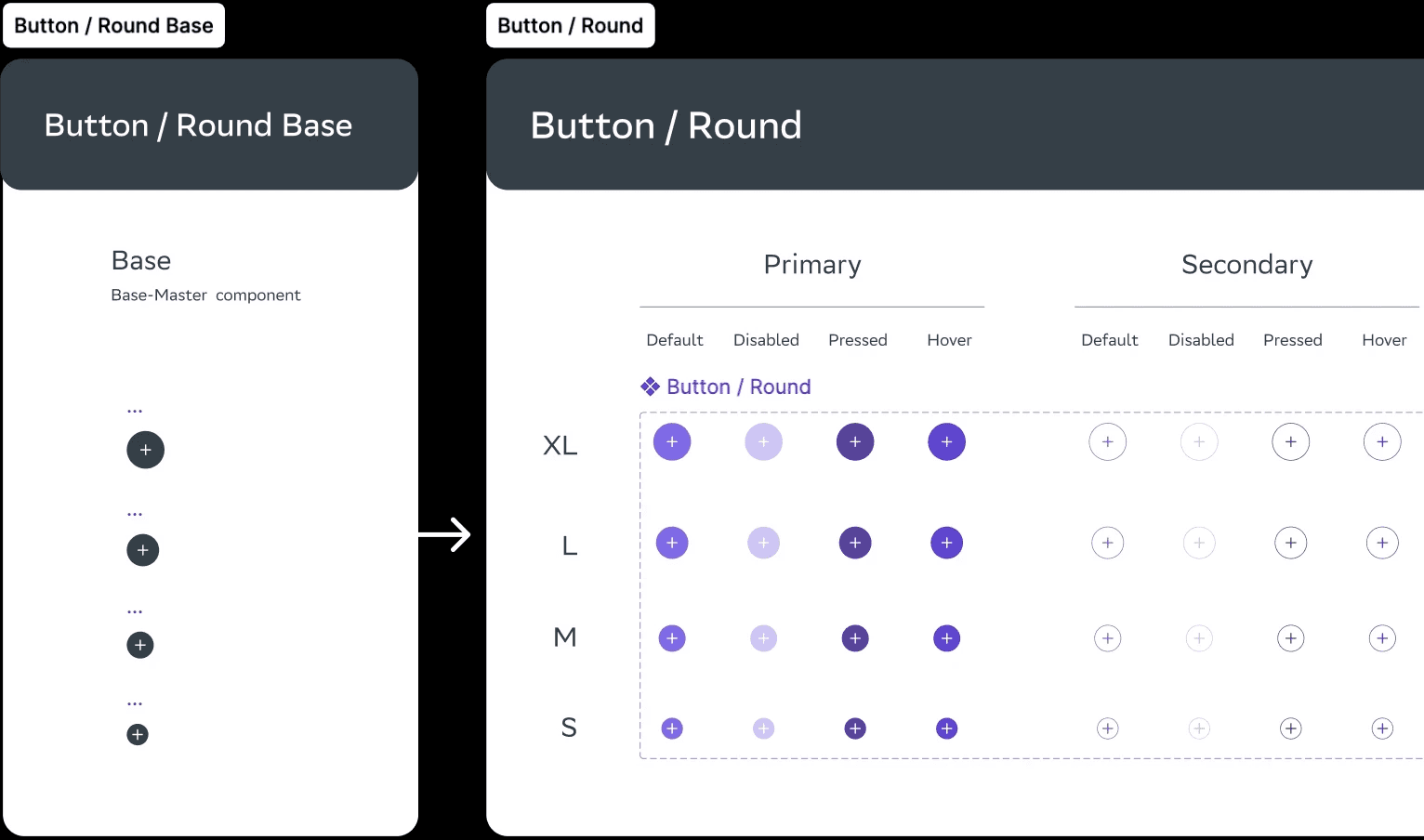
2-level nested master atom component
Tokens, icons, colors
Tokens, icons, colors
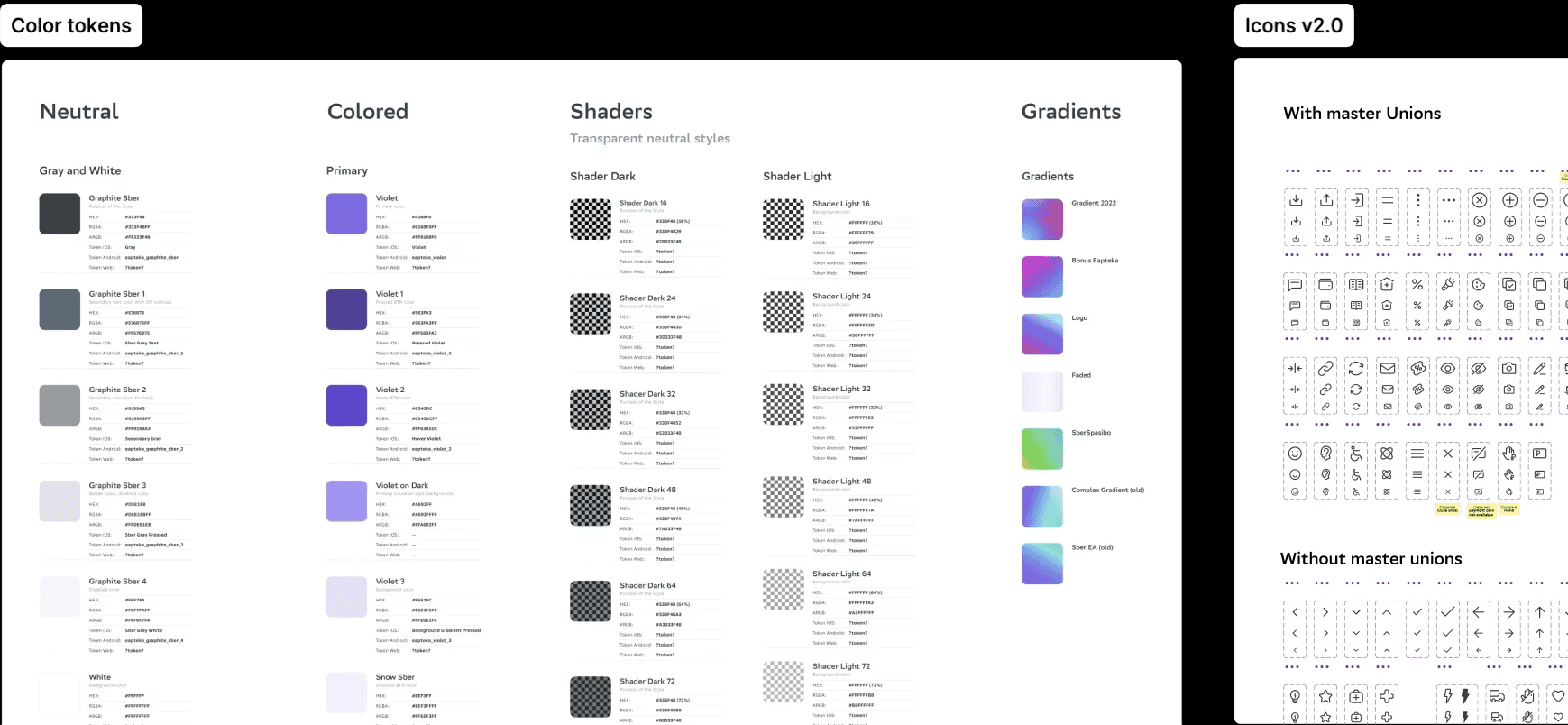
Colors and icons were documented in detail so that each design team member can easily contribute to the development of the design system.
Tokens have semantic naming, making their usage intuitive and reducing the need to change or create new tokens.
However, to maintain consistency, a process for reviewing and approving changes and new tokens was implemented. During design syncs, we reviewed these changes, addressing two goals at once: updating the design system according to new features and requirements, and teaching the team how to work effectively with the atomic design system and tokens.
Colors and icons were documented in detail so that each design team member can easily contribute to the development of the design system.
Tokens have semantic naming, making their usage intuitive and reducing the need to change or create new tokens.
However, to maintain consistency, a process for reviewing and approving changes and new tokens was implemented. During design syncs, we reviewed these changes, addressing two goals at once: updating the design system according to new features and requirements, and teaching the team how to work effectively with the atomic design system and tokens.
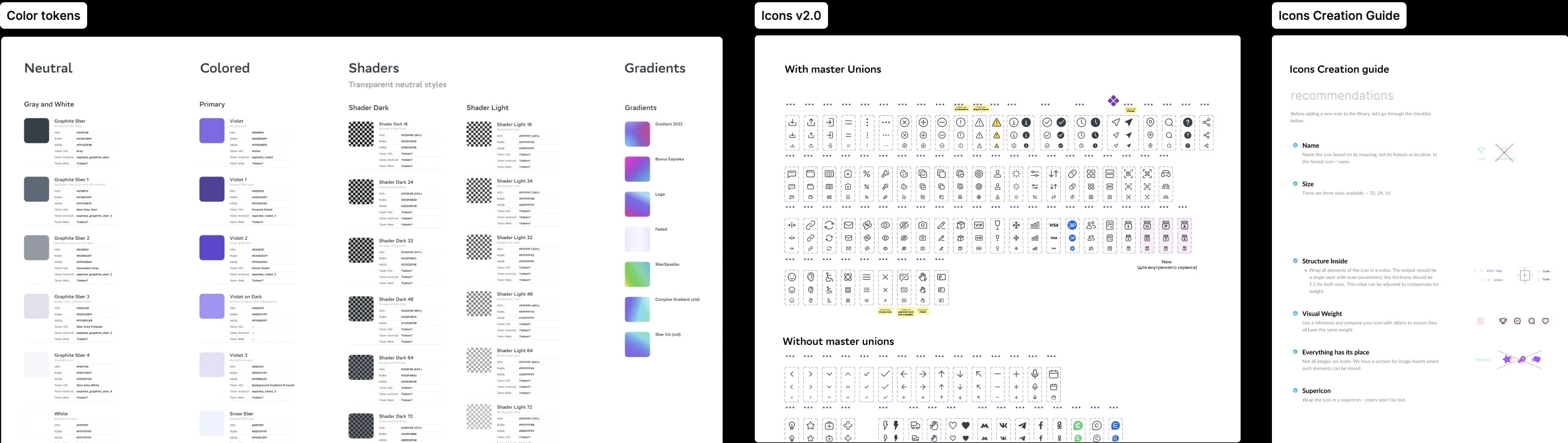
tokens and icons guide
outro
outro
Epharmacy was a large‑scale challenge that required not only visual polish, but strategic improvements across people, processes, and products. By structuring design foundations, the team elevated both experience quality and delivery efficiency. The work on this project strengthened cross‑functional collaboration and enabled the product to evolve more predictably in line with key business metrics. Ultimately, it reinforced the value of design in complex digital ecosystems and contributed to a more unified, scalable design practice across the organization.
Epharmacy was a large‑scale challenge that required not only visual polish, but strategic improvements across people, processes, and products. By structuring design foundations, the team elevated both experience quality and delivery efficiency. The work on this project strengthened cross‑functional collaboration and enabled the product to evolve more predictably in line with key business metrics. Ultimately, it reinforced the value of design in complex digital ecosystems and contributed to a more unified, scalable design practice across the organization.